Back to all
Chester A. Reynolds Award

Awarded in 1997
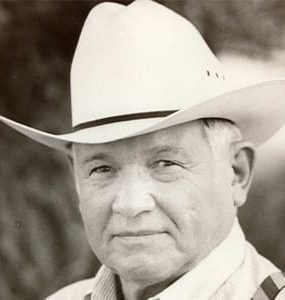
Harold Jarrard
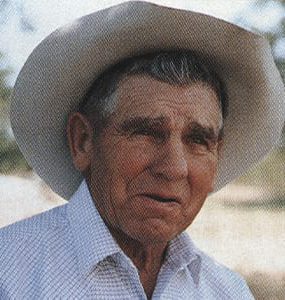
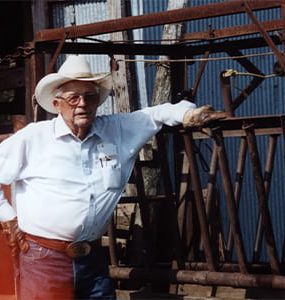
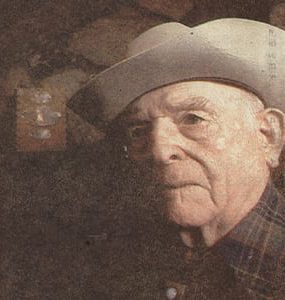
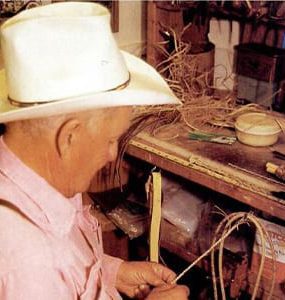
Charles Harold Jarrard was born on June 11, 1919, in Kaycee, Wyoming, into a family deeply rooted in the ranching traditions of the North Fork of Powder River. Raised amid open country, cattle work, and good horses, he received his early education at the Dawson School and later in Kaycee. From the beginning, Jarrard showed a natural gift with stock—one he credited to the abilities passed down from both his father and grandfather.
As a young man, he began breaking horses for neighboring ranches, earning a reputation for fearlessness and skill. At seventeen, he set out on the rodeo circuit with his cousin, Emery Dawson, riding broncs across several states. His abilities eventually carried him to what many cowboys considered the ultimate proving ground: Texas in the late 1920s. There, on the legendary Matador Land and Cattle Company Ranch, he rode with a twenty-two-man wagon crew, gathering and branding cattle, pushing wild herds into holding pastures, and continuing to ride broncs under some of the toughest working conditions in the West.
In 1938, he married Katherine Newton, with whom he had five children. After they later divorced, Jarrard met Pat Murphy, a Wyoming transplant from Fresno who came to cook for her uncle on the TTT Ranch. Harold and Pat married in July 1952 in Modesto, California, before returning to Wyoming. They worked first on the Ben Roberts Ranch near Casper, then in Buffalo, and later at the J Bar U Ranch east of Kaycee. In 1960, they moved to the Jarrard family ranch, where Harold continued to ranch and ride for the rest of his life.
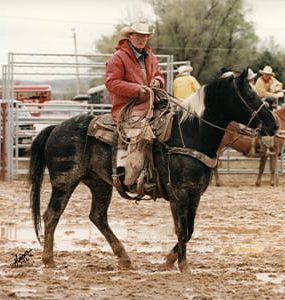
Jarrard became widely known as one of the finest cowboys of his time. He loved nothing more than being horseback—pushing cattle, working a branding trap, or picking up bucking horses in the arena. He liked his cattle fat, his horses broncy, and his work done right. Known as a gifted storyteller, he was equally at home in a dance hall or gathered around a dinner table with friends and family.
His contributions to ranching and Western heritage earned him significant recognition. In 1996, he received the Bradford Brinton Top Hand Award, and in 1997 he was inducted into the National Cowboy & Western Heritage Museum in Oklahoma City. In 2015, he entered the Wyoming Cowboy Hall of Fame. Beyond the ranch, Jarrard served his community as a Johnson County Commissioner for twelve years and developed the Powder River Protective Association. Earlier in life, he also worked as a stock detective for the Wyoming Livestock Association.
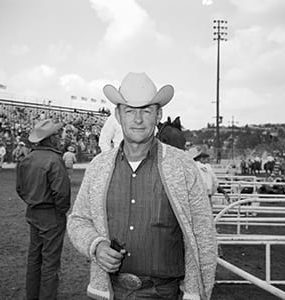
Respected for his skill, admired for his integrity, and remembered for a lifetime spent horseback, Harold Jarrard stands among the great working cowboys of the American West. His legacy remains deeply tied to the Powder River country he called home.
Charles Harold Jarrard was born on June 11, 1919, in Kaycee, Wyoming, into a family deeply rooted in the ranching traditions of the North Fork of Powder River. Raised amid open country, cattle work, and good horses, he received his early education at the Dawson School and later in Kaycee. From the beginning, Jarrard showed a natural gift with stock—one he credited to the abilities passed down from both his father and grandfather.
As a young man, he began breaking horses for neighboring ranches, earning a reputation for fearlessness and skill. At seventeen, he set out on the rodeo circuit with his cousin, Emery Dawson, riding broncs across several states. His abilities eventually carried him to what many cowboys considered the ultimate proving ground: Texas in the late 1920s. There, on the legendary Matador Land and Cattle Company Ranch, he rode with a twenty-two-man wagon crew, gathering and branding cattle, pushing wild herds into holding pastures, and continuing to ride broncs under some of the toughest working conditions in the West.
In 1938, he married Katherine Newton, with whom he had five children. After they later divorced, Jarrard met Pat Murphy, a Wyoming transplant from Fresno who came to cook for her uncle on the TTT Ranch. Harold and Pat married in July 1952 in Modesto, California, before returning to Wyoming. They worked first on the Ben Roberts Ranch near Casper, then in Buffalo, and later at the J Bar U Ranch east of Kaycee. In 1960, they moved to the Jarrard family ranch, where Harold continued to ranch and ride for the rest of his life.
Jarrard became widely known as one of the finest cowboys of his time. He loved nothing more than being horseback—pushing cattle, working a branding trap, or picking up bucking horses in the arena. He liked his cattle fat, his horses broncy, and his work done right. Known as a gifted storyteller, he was equally at home in a dance hall or gathered around a dinner table with friends and family.
His contributions to ranching and Western heritage earned him significant recognition. In 1996, he received the Bradford Brinton Top Hand Award, and in 1997 he was inducted into the National Cowboy & Western Heritage Museum in Oklahoma City. In 2015, he entered the Wyoming Cowboy Hall of Fame. Beyond the ranch, Jarrard served his community as a Johnson County Commissioner for twelve years and developed the Powder River Protective Association. Earlier in life, he also worked as a stock detective for the Wyoming Livestock Association.
Respected for his skill, admired for his integrity, and remembered for a lifetime spent horseback, Harold Jarrard stands among the great working cowboys of the American West. His legacy remains deeply tied to the Powder River country he called home.