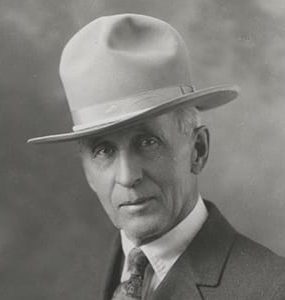
Bio
L.A. Huffman, born on October 31, 1854, in Iowa, was a renowned photographer who captured the American West during the late 19th and early 20th centuries. Taught by his parents, Huffman opened his own studio in Postville in 1876 before moving to Montana, where he became the post photographer at Fort Keogh in 1879. His work documented the disappearing buffalo herds, cowboy life, and frontier ranching, capturing action shots that were revolutionary for the time.
Huffman’s photos of the Northern Plains buffalo hunts, cowboy culture, and sheep ranching provided an invaluable visual history of Montana’s frontier era. His images of Native American chiefs, such as Spotted Eagle, as well as early hunting expeditions, garnered national attention. Theodore Roosevelt and Frederic Remington admired and used his work, which appeared in national publications like The American Field.
Known for his innovative techniques, Huffman captured action shots, including the first photograph of a bucking horse with a cowboy in midair. He carried heavy equipment to remote locations, often taking photos from horseback. His work gained national exposure through postcards and collotypes.
Huffman’s legacy was cemented through books like The Frontier Years and Before Barbed Wire, which showcased his prints. In 1976, he was inducted into the Hall of Great Westerners and recognized as a key figure in preserving the history of the American West. Huffman passed away in 1931.