





Skip to content

The Museum will be closing at 4 p.m. on Sunday, December 7 for a special event

Back to all

Hall of Great Westerners
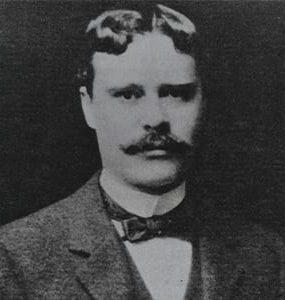
Owen Wister
Inducted in 1976

Owen Wister

1860-1938

At Large, Wyoming

Bio

Owen Wister (1860–1938) was a prominent American writer and historian regarded as the “father” of Western fiction. Born in Philadelphia to a wealthy family, Wister was educated at St. Paul’s School and Harvard University, where he formed a lifelong friendship with future President Theodore Roosevelt. Initially pursuing a career in music and later law, Wister shifted his focus to writing after several trips to the American West ignited his fascination with its culture and landscape.

Wister’s most famous work is The Virginian (1902), widely considered the first Western novel. The book created the archetypal cowboy and contributed to the mythology of the American West. Its success was immediate, with 14 reprints within eight months, and it remains one of the top 50 best-selling works of fiction. The novel was adapted for the stage and later into a film, influencing the portrayal of cowboys in literature, film, and television.

Throughout his life, Wister maintained ties with several literary societies and was involved in academic institutions like Harvard. He supported President Theodore Roosevelt but opposed Franklin D. Roosevelt and the New Deal.

Wister married his second cousin, Mary Channing, in 1898, and they had six children before her death in 1913. Wister passed away in 1938 in Rhode Island and is buried in Philadelphia’s Laurel Hill Cemetery. His legacy endures as a key figure in shaping the Western fiction genre.
Bio

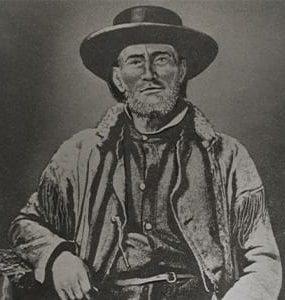
Owen Wister (1860–1938) was a prominent American writer and historian regarded as the “father” of Western fiction. Born in Philadelphia to a wealthy family, Wister was educated at St. Paul’s School and Harvard University, where he formed a lifelong friendship with future President Theodore Roosevelt. Initially pursuing a career in music and later law, Wister shifted his focus to writing after several trips to the American West ignited his fascination with its culture and landscape.

Wister’s most famous work is The Virginian (1902), widely considered the first Western novel. The book created the archetypal cowboy and contributed to the mythology of the American West. Its success was immediate, with 14 reprints within eight months, and it remains one of the top 50 best-selling works of fiction. The novel was adapted for the stage and later into a film, influencing the portrayal of cowboys in literature, film, and television.

Throughout his life, Wister maintained ties with several literary societies and was involved in academic institutions like Harvard. He supported President Theodore Roosevelt but opposed Franklin D. Roosevelt and the New Deal.

Wister married his second cousin, Mary Channing, in 1898, and they had six children before her death in 1913. Wister passed away in 1938 in Rhode Island and is buried in Philadelphia’s Laurel Hill Cemetery. His legacy endures as a key figure in shaping the Western fiction genre.
More to Explore

Stay Connected

Sign up for our e-newsletter