Bio
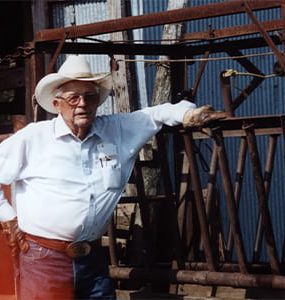
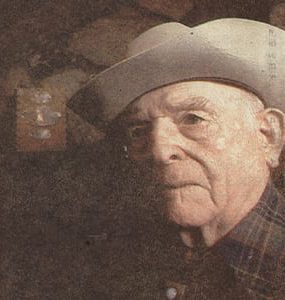
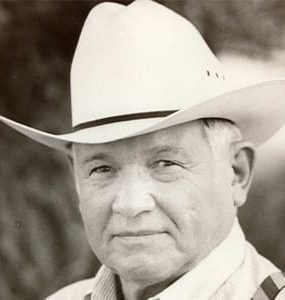
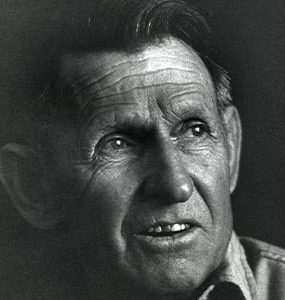
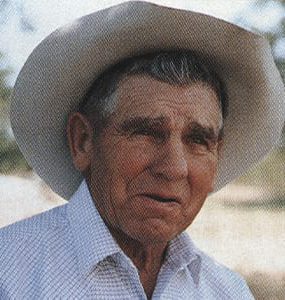
Born in 1910 near Joseph, Oregon, Tom Dorrance grew up the sixth of eight children on a hardworking ranch. Small, quiet, and observant, he spent his days exploring the land, studying animals, and developing a deep sensitivity to the natural world. While other children learned through instruction, Tom learned by watching—absorbing lessons from horses, cattle, dogs, and the rhythms of ranch life. He came to understand early that animals, like people, respond best not to force, but to patience, clarity, and respect.
That perspective would shape the future of horsemanship.
Over time, Tom developed a philosophy that stood in stark contrast to the dominant horse training practices of the early and mid-20th century. Instead of controlling a horse through fear or domination, Tom sought a partnership based on communication. He came to believe that the horse’s instinct for self-preservation—mind, body, and spirit—must be acknowledged and honored. A horse, he said, must never feel like someone is “after” him. When treated with patience, understanding, and firmness without anger, the horse becomes a willing partner instead of a coerced servant.
It sounds simple, but the simplicity is misleading. Tom resisted step-by-step formulas and quick-fix “how-to” answers. His most famous phrase—“It all depends”—captured the essence of his teaching. Every horse is different, every situation unique, and a true horseman must learn to see beneath the surface. He once explained that most people want instructions, when what they really need is awareness.
He could see what others could not—tiny shifts of posture, tension, fear, anxiety, curiosity. To him, these signals were as loud as spoken words.
After the death of his parents in 1960, Tom—then 50 years old—set out to share what he knew. With no interest in fame or money, he traveled between California and Nevada in a small trailer, helping riders learn to feel, rather than force, their horses. The work was often discouraging, but his influence grew. Riders who spent time with him left transformed, not with a list of techniques, but with a new way of thinking.
His students include some of the most respected names in Western horsemanship: Ray Hunt, Buck Brannaman, and many top trainers and competitors in reining, cutting, and cow horse events. To countless admirers, he was not just a teacher, but the quiet architect of a revolution—moving the horse world away from brute strength and toward communication, subtlety, and partnership. Today he is widely regarded as the grandfather of modern natural horsemanship, a philosophy acknowledged in the novel The Horse Whisperer and honored with induction into the National Cowboy & Western Heritage Museum.
Yet Tom never wished for credit. He disliked publicity and once said, wistfully, “I liked it better when no one knew anything about me.” To him, the horse always came first.