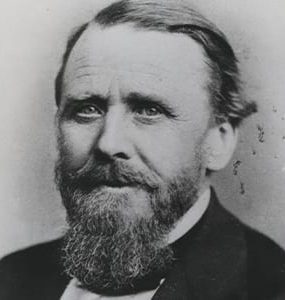








Bio
Eusebio Francisco Kino (1645–1711), an Italian Jesuit missionary, explorer, and cartographer, is best known for his work in the Pimería Alta region, which includes present-day Sonora, Mexico, and southern Arizona. Born in the Bishopric of Trent, Kino joined the Society of Jesus after recovering from illness and studied in Austria and Bavaria. Although he initially desired to serve in Asia, Kino was sent to New Spain, where he explored and mapped vast areas of northern Mexico and the southwestern United States.
Kino established 24 missions and played a significant role in the region’s economic development by introducing European agricultural practices and livestock to the indigenous peoples. He is also credited with proving that Baja California was a peninsula, not an island, through overland expeditions. His maps of the region remained the most accurate for over 150 years.
In addition to his missionary work, Kino opposed the forced labor practices imposed on the native population in Spanish silver mines. He interacted with various indigenous tribes and worked to establish peaceful relationships. Kino’s contributions to cartography, geography, and agriculture made him an influential figure in the region’s development.
After he died in 1711 in Magdalena de Kino, Sonora, Kino’s legacy continued through various statues, monuments, and towns named in his honor in Mexico and the U.S. His beatification process began in 2020 when Pope Francis declared him Venerable, recognizing his life of heroic virtue.