






Bio
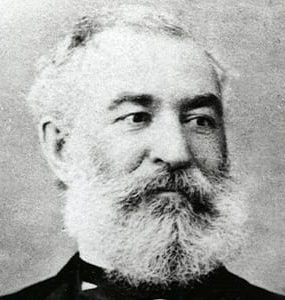
In the early 1870s, Scottish nobleman George Grant sought to retire to a country estate in England but found no place to his liking. In 1872, he traveled to the American plains of Kansas, where he saw great potential for livestock farming. Grant purchased nearly 70,000 acres from the Union Pacific Railroad and returned to England to recruit young Englishmen to help establish a colony that would introduce British gentility to the American plains.
In 1873, Grant returned to Kansas with 38 colonists, pedigreed sheep, horses, and what are believed to be the first Angus cattle in America. They founded the colony of Victoria and set about building a church, store, and other institutions. However, most of the young colonists were wealthy gentlemen with no interest in farming. Instead, they created a hunt club, cricket club, and even bought a steamboat, abandoning agricultural efforts.
As word of their lavish activities reached England, many colonists were disinherited, and fires, droughts, and harsh winters further discouraged farming. By the time George Grant died in 1878, the colony was in decline, with most of the settlers returning to England.
However, in 1876, German immigrants arrived in the area and successfully adapted to the plains, founding the town of Herzog near Victoria. Over time, Herzog absorbed the remnants of the British colony, and in 1913, the two towns were combined into one, still known as Victoria.