





Bio
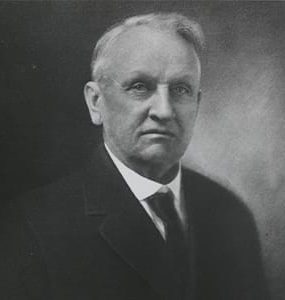
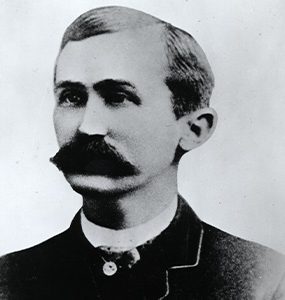
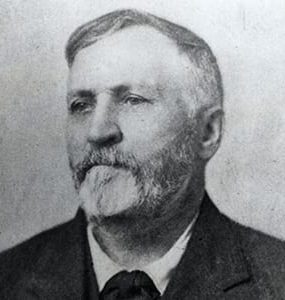
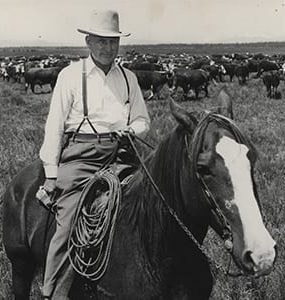
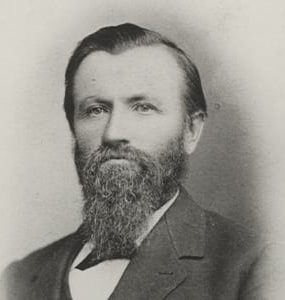
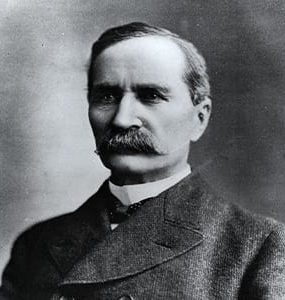
Henry Miller Porter, born in 1839, was a pioneer, entrepreneur, and philanthropist who played a significant role in shaping Denver, Colorado. Despite having only about 12 months of formal education, Porter rose through the ranks in the telegraph industry, eventually becoming top assistant to his employer, Charles Stebbins. During the Civil War, Porter diversified into freighting and retailing, eventually moving to Denver in 1862, where he expanded his ventures into liquor sales, powder, and mining. By the 1890s, his real estate investments in Denver skyrocketed, contributing to his growing wealth.
Recognizing the transformative power of railroads, Porter co-founded the Denver Pacific Railroad and invested in several rail lines, including the Denver & Rio Grande and Denver & Salt Lake railroads. After dissolving his partnership with Stebbins in 1870, Porter relocated to New Mexico to oversee a mercantile store and further expanded into mining, ranching, and banking.
Porter married Laura W. Smith in 1874 and they had five children. By 1883, the family had returned to Denver, where Porter continued to grow his business empire, spanning industries such as banking, utilities, and livestock.
Porter’s philanthropic efforts were vast, with his most notable contribution being the establishment of Porter Memorial Hospital. He also supported the Denver Symphony Orchestra, the Denver Art Museum, and the Denver Museum of Nature and Science, among other causes.
Porter died in 1937 at the age of 98, leaving behind a legacy as one of Denver’s most accomplished figures.