






Skip to content

The American Rodeo Gallery is closed for renovation.
Prosperity Junction will be closed to guests April 8, 9 and 10. 

The Cowboy: An Immersive Journey

CLOSING SOON!

Back to all

Hall of Great Westerners
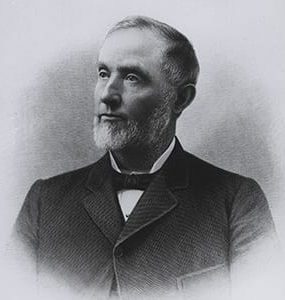
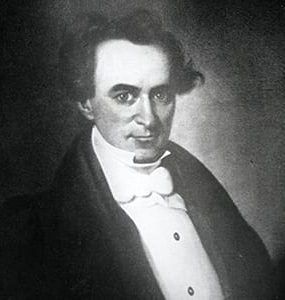
Henry Miller
Inducted in 1958

Henry Miller

1827-1916

At Large, California

Bio

Henry Miller (1827–1916), born Heinrich Albrecht Kreiser in Germany, was a prominent rancher known as the “Cattle King of California.” After emigrating to New York City in 1846, he worked as a butcher and moved to California in 1850, adopting the name Henry Miller. In 1858, Miller partnered with Charles Lux, another German immigrant, to form Miller and Lux, a company that became the largest cattle producer in California. The company eventually controlled vast amounts of land across California, Nevada, and Oregon, managing nearly 22,000 square miles of farmland and ranches.

Miller’s land acquisitions included Spanish land grants between San Francisco and the San Joaquin Valley, which he purchased at low prices. His business practices exemplified the trend of industrial barons during the Gilded Age. Known for micromanaging his business, Miller paid close attention to details such as weather, cattle conditions, and water resources. His control over upstream water rights on the San Joaquin River was crucial for managing floods and droughts.

At his death in 1916, Miller’s estate was worth $40 million, equivalent to over $1 billion today.

Bio

Henry Miller (1827–1916), born Heinrich Albrecht Kreiser in Germany, was a prominent rancher known as the “Cattle King of California.” After emigrating to New York City in 1846, he worked as a butcher and moved to California in 1850, adopting the name Henry Miller. In 1858, Miller partnered with Charles Lux, another German immigrant, to form Miller and Lux, a company that became the largest cattle producer in California. The company eventually controlled vast amounts of land across California, Nevada, and Oregon, managing nearly 22,000 square miles of farmland and ranches.

Miller’s land acquisitions included Spanish land grants between San Francisco and the San Joaquin Valley, which he purchased at low prices. His business practices exemplified the trend of industrial barons during the Gilded Age. Known for micromanaging his business, Miller paid close attention to details such as weather, cattle conditions, and water resources. His control over upstream water rights on the San Joaquin River was crucial for managing floods and droughts.

At his death in 1916, Miller’s estate was worth $40 million, equivalent to over $1 billion today.
More to Explore

Stay Connected

Sign up for our e-newsletter