





Skip to content

The American Rodeo Gallery is closed for renovation.
Prosperity Junction will be closed to guests April 8, 9 and 10. 

The Cowboy: An Immersive Journey

CLOSING SOON!

Back to all

Hall of Great Westerners
Hiram Francis Smith
Inducted in 1960

Hiram Francis Smith

1829-1893

Washington

Bio

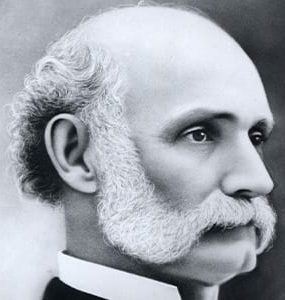
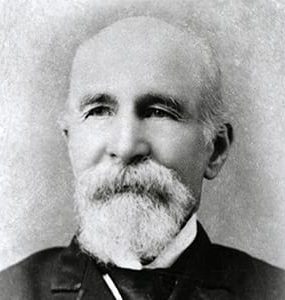
Hiram Francis Smith, known as “Okanogan Smith,” was a key figure in the early development of Okanogan County, Washington’s commercial fruit industry in the 1860s. Born in Maine in 1829, Smith worked as a printer before the California Gold Rush drew him westward. After various ventures in freighting, trading, and banking in the Pacific Northwest, Smith settled near Lake Osoyoos, Washington, where he established a trading post and became one of the first white settlers in the area.

In 1861, Smith married Mary Manuel, the daughter of a Colville-Okanogan chief, securing his claim to the unsurveyed Native American land where he built a successful ranch. Smith planted fruit trees and became the first to ship apples from the region to California. His hospitality was renowned, often hosting travelers and Native Americans alike.

Smith’s political career included a term in the Territorial Legislature (1865-66), and he earned the title “Father of Okanogan County” for his diplomatic work. He successfully defended his land from being included in a Native American reserve.

In 1893, Smith remarried Nancy, though their union was mired in legal complications. Later that year, he fell ill and died after a cold turned to dysentery. There were suspicions of arsenic poisoning. His death led to disputes over his estate, particularly between Nancy and his first wife, Mary, who held rights to the land. Smith’s legacy endures as a pioneering figure in the region’s agriculture and politics.
Bio

Hiram Francis Smith, known as “Okanogan Smith,” was a key figure in the early development of Okanogan County, Washington’s commercial fruit industry in the 1860s. Born in Maine in 1829, Smith worked as a printer before the California Gold Rush drew him westward. After various ventures in freighting, trading, and banking in the Pacific Northwest, Smith settled near Lake Osoyoos, Washington, where he established a trading post and became one of the first white settlers in the area.

In 1861, Smith married Mary Manuel, the daughter of a Colville-Okanogan chief, securing his claim to the unsurveyed Native American land where he built a successful ranch. Smith planted fruit trees and became the first to ship apples from the region to California. His hospitality was renowned, often hosting travelers and Native Americans alike.

Smith’s political career included a term in the Territorial Legislature (1865-66), and he earned the title “Father of Okanogan County” for his diplomatic work. He successfully defended his land from being included in a Native American reserve.

In 1893, Smith remarried Nancy, though their union was mired in legal complications. Later that year, he fell ill and died after a cold turned to dysentery. There were suspicions of arsenic poisoning. His death led to disputes over his estate, particularly between Nancy and his first wife, Mary, who held rights to the land. Smith’s legacy endures as a pioneering figure in the region’s agriculture and politics.
More to Explore

Stay Connected

Sign up for our e-newsletter