





Skip to content

The American Rodeo Gallery is closed for renovation.

The Cowboy: An Immersive Journey

CLOSING SOON!

Back to all

Hall of Great Westerners
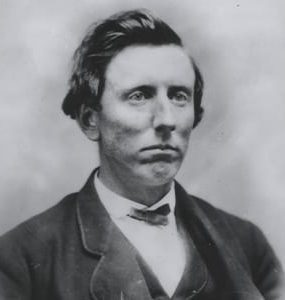
Joseph Geiting McCoy
Inducted in 1967

Joseph Geiting McCoy

1837-1915

Kansas

Bio

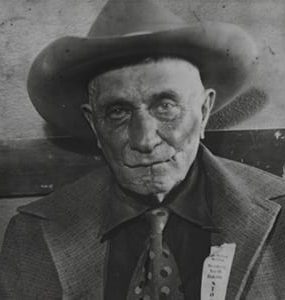
Joseph “Cowboy” McCoy (1837–1915) was an influential 19th-century entrepreneur known for revolutionizing cattle transport in the United States. Born in Illinois, McCoy grew up on a farm and later entered the livestock business, gaining early experience in rail logistics by transporting mules. This knowledge set the stage for his major career move in the late 1860s when he capitalized on the need to move Texas Longhorn cattle to markets in the eastern U.S.

At the time, cattle ranchers in Texas struggled to get their herds to market due to opposition from Kansas homesteaders, who feared the spread of disease by the Longhorns. McCoy saw an opportunity and built stockyards, a hotel, and supporting infrastructure in Abilene, Kansas, which became one of the first “cow towns.” Abilene sat at the end of the Chisholm Trail, making it a key hub for driving cattle to rail lines, which then transported them to the Midwest and East.

Through extensive promotion in Texas, McCoy encouraged ranchers to drive their herds to Abilene. By the early 1870s, thousands of cattle passed through the town, making McCoy a significant figure in the cattle trade. His efforts were so successful that the phrase “The Real McCoy” is often attributed to his work. McCoy later authored a book on the cattle trade and died in Kansas City in 1915.
Bio

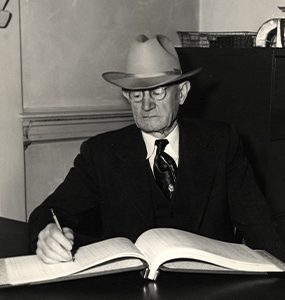
Joseph “Cowboy” McCoy (1837–1915) was an influential 19th-century entrepreneur known for revolutionizing cattle transport in the United States. Born in Illinois, McCoy grew up on a farm and later entered the livestock business, gaining early experience in rail logistics by transporting mules. This knowledge set the stage for his major career move in the late 1860s when he capitalized on the need to move Texas Longhorn cattle to markets in the eastern U.S.

At the time, cattle ranchers in Texas struggled to get their herds to market due to opposition from Kansas homesteaders, who feared the spread of disease by the Longhorns. McCoy saw an opportunity and built stockyards, a hotel, and supporting infrastructure in Abilene, Kansas, which became one of the first “cow towns.” Abilene sat at the end of the Chisholm Trail, making it a key hub for driving cattle to rail lines, which then transported them to the Midwest and East.

Through extensive promotion in Texas, McCoy encouraged ranchers to drive their herds to Abilene. By the early 1870s, thousands of cattle passed through the town, making McCoy a significant figure in the cattle trade. His efforts were so successful that the phrase “The Real McCoy” is often attributed to his work. McCoy later authored a book on the cattle trade and died in Kansas City in 1915.
More to Explore

Stay Connected

Sign up for our e-newsletter