




Skip to content

The American Rodeo Gallery is closed for renovation.

The Cowboy: An Immersive Journey

CLOSING SOON!

Back to all

Hall of Great Westerners
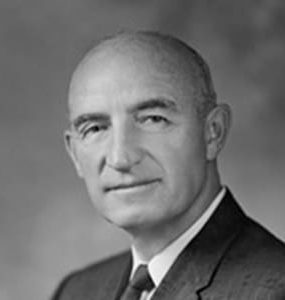
Milward L. Simpson
Inducted in 1985

Milward L. Simpson

1898-1993

Wyoming

Bio

Milward Lee Simpson (1897–1993) was a prominent American politician who served as the 23rd Governor of Wyoming and as a U.S. Senator. Born in Jackson, Wyoming, he was the first governor born in the state. Simpson attended the University of Wyoming, where he was a standout athlete, excelling in football, basketball, and baseball. After serving in World War I, he briefly attended Harvard Law School before returning to Wyoming to practice law.

Simpson’s political career began with a term in the Wyoming House of Representatives in 1926. He later became deeply involved with the University of Wyoming, serving on its board of trustees and as president of the board for over a decade. In 1954, Simpson was narrowly elected governor of Wyoming, where he signed the Wyoming Civil Rights Act of 1957, aimed at ending racial segregation in the state. Despite his efforts as governor, he was defeated after a single term.

Simpson returned to politics in 1962, winning a special election to the U.S. Senate, where he served until 1967. While in the Senate, he voted against the Civil Rights Act of 1964 but supported the Voting Rights Act of 1965. After leaving politics, Simpson resumed his legal practice and remained active in his community until his death in 1993.

Simpson’s legacy as a leader and athlete was honored through various recognitions, including induction into the Hall of Great Westerners and the University of Wyoming Athletics Hall of Fame.
Bio

Milward Lee Simpson (1897–1993) was a prominent American politician who served as the 23rd Governor of Wyoming and as a U.S. Senator. Born in Jackson, Wyoming, he was the first governor born in the state. Simpson attended the University of Wyoming, where he was a standout athlete, excelling in football, basketball, and baseball. After serving in World War I, he briefly attended Harvard Law School before returning to Wyoming to practice law.

Simpson’s political career began with a term in the Wyoming House of Representatives in 1926. He later became deeply involved with the University of Wyoming, serving on its board of trustees and as president of the board for over a decade. In 1954, Simpson was narrowly elected governor of Wyoming, where he signed the Wyoming Civil Rights Act of 1957, aimed at ending racial segregation in the state. Despite his efforts as governor, he was defeated after a single term.

Simpson returned to politics in 1962, winning a special election to the U.S. Senate, where he served until 1967. While in the Senate, he voted against the Civil Rights Act of 1964 but supported the Voting Rights Act of 1965. After leaving politics, Simpson resumed his legal practice and remained active in his community until his death in 1993.

Simpson’s legacy as a leader and athlete was honored through various recognitions, including induction into the Hall of Great Westerners and the University of Wyoming Athletics Hall of Fame.
More to Explore

Stay Connected

Sign up for our e-newsletter