Skip to content

The Museum will be closed all day Friday, December 19, for a special event.

Back to all

Hall of Great Westerners
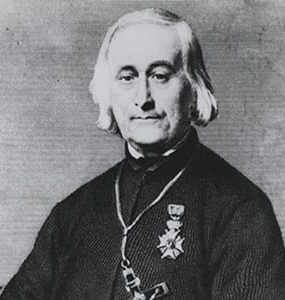
Pierre-Jean De Smet
Inducted in 1968

Pierre-Jean De Smet

1801-1873

At Large, Nebraska

Bio

Pierre-Jean De Smet (1801–1873) was a Belgian-born Jesuit priest and missionary who played a significant role in the exploration and missionary work of the American West. Born in Dendermonde, Belgium, he entered the Society of Jesus in 1821 and moved to the United States in 1823 to complete his training. De Smet’s deep commitment to spreading Christianity among Native American tribes led him to spend much of his life traveling across the western United States, particularly in the Rocky Mountains and Pacific Northwest.

De Smet is best known for his work with Native American peoples, including the Flathead, Sioux, and Blackfeet tribes. His approach was marked by respect for Native cultures, and he earned their trust through his honesty and advocacy. His journeys often took him into remote and dangerous territories, and he became well-regarded as a missionary and peacemaker. De Smet mediated peace talks between the U.S. government and various tribes, including assisting in the Fort Laramie Treaty of 1851 negotiations.

De Smet’s extensive travels, which covered tens of thousands of miles by canoe, horseback, and on foot, helped him map and document many areas of the western United States. His detailed letters and reports became important resources for later explorers and historians. Despite challenges, De Smet remained committed to his missionary work until he died in St. Louis in 1873. He is remembered as one of the most influential missionaries of the American West, advocating for both Native rights and spiritual conversion.
Bio

Pierre-Jean De Smet (1801–1873) was a Belgian-born Jesuit priest and missionary who played a significant role in the exploration and missionary work of the American West. Born in Dendermonde, Belgium, he entered the Society of Jesus in 1821 and moved to the United States in 1823 to complete his training. De Smet’s deep commitment to spreading Christianity among Native American tribes led him to spend much of his life traveling across the western United States, particularly in the Rocky Mountains and Pacific Northwest.

De Smet is best known for his work with Native American peoples, including the Flathead, Sioux, and Blackfeet tribes. His approach was marked by respect for Native cultures, and he earned their trust through his honesty and advocacy. His journeys often took him into remote and dangerous territories, and he became well-regarded as a missionary and peacemaker. De Smet mediated peace talks between the U.S. government and various tribes, including assisting in the Fort Laramie Treaty of 1851 negotiations.

De Smet’s extensive travels, which covered tens of thousands of miles by canoe, horseback, and on foot, helped him map and document many areas of the western United States. His detailed letters and reports became important resources for later explorers and historians. Despite challenges, De Smet remained committed to his missionary work until he died in St. Louis in 1873. He is remembered as one of the most influential missionaries of the American West, advocating for both Native rights and spiritual conversion.
More to Explore

Stay Connected

Sign up for our e-newsletter