






Bio
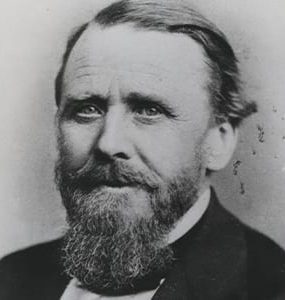
Samuel Austin Worcester (1798–1859) was a prominent American missionary and advocate for Cherokee sovereignty, known for his work in translating the Bible and establishing the first Native American newspaper, the Cherokee Phoenix. Born in Peacham, Vermont, he graduated from the University of Vermont and later attended Andover Theological Seminary, intending to become a missionary. Instead of being sent abroad, he was assigned to the Cherokee in Georgia.
Worcester collaborated with Elias Boudinot to launch the Cherokee Phoenix in 1828, printed in both Cherokee and English. His commitment to the Cherokee led to his arrest under a Georgia law prohibiting white missionaries from living in Cherokee territory without a license. His case, Worcester v. Georgia, reached the U.S. Supreme Court, which ruled that the state law was unconstitutional, affirming the sovereignty of the Cherokee Nation. Despite the ruling, both President Andrew Jackson and Governor George Gilmer ignored it.
After his release, Worcester moved to Indian Territory during the Cherokee removal known as the Trail of Tears. He continued his missionary work, set up the first printing press there, and translated religious texts into Cherokee. He faced personal tragedy when his first wife, Ann, died in 1839. Worcester’s efforts for the Cherokee continued until he died in 1859 in Park Hill, Indian Territory, where he is remembered for his unwavering dedication to their rights and culture.