






Bio
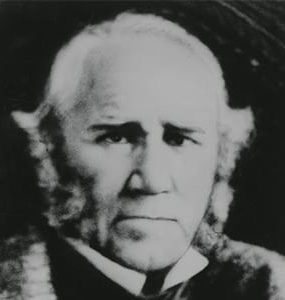
Sam Houston (1793–1863) was an influential American statesman, soldier, and key figure in Texas’s history. Born in Virginia, he moved to Tennessee as a child and lived for several years with the Cherokee Nation, gaining a deep respect for Native American culture. Houston served in the War of 1812 under Andrew Jackson and later became a lawyer, congressman, and governor of Tennessee.
In 1832, Houston moved to Texas, which was then a Mexican territory. As tensions between Texan settlers and the Mexican government grew, he became a leader in the Texas Revolution. In 1836, he commanded the Texan army at the Battle of San Jacinto, decisively defeating Mexican General Santa Anna and securing Texas’ independence.
Houston went on to serve as the first and third president of the Republic of Texas. After the United States annexed Texas in 1845, Houston represented the state in the U.S. Senate and later became its governor. Despite being a staunch unionist, he was removed from office in 1861 for refusing to support Texas’ secession during the Civil War.
Houston’s legacy is closely tied to his leadership in securing Texas’ independence and shaping its early development. Known for his complex relationships with Native Americans, as well as his opposition to the expansion of slavery and secession, Houston remains a towering figure in Texas history. He died in 1863, leaving behind a legacy as a warrior, politician, and champion of American frontier life.