




Bio
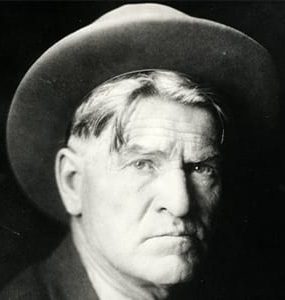
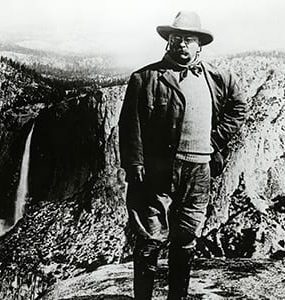
Theodore Roosevelt, the 26th President of the United States, was born in New York City on October 27, 1858. Known for his boundless energy, robust personality, and progressive politics, Roosevelt’s time in the American West shaped his outlook on life, conservation, and leadership.
In 1883, after a personal tragedy with the deaths of his mother and wife on the same day, Roosevelt retreated to the Badlands of North Dakota. There, he invested in cattle ranching and embraced the rugged lifestyle of a cowboy. Living in the West allowed Roosevelt to develop a deep connection with the land, its people, and the values of hard work and self-reliance. He credited this period for strengthening both his body and spirit. Though his ranching business faced setbacks, including devastating winters that decimated his cattle, the experience left a lasting impression on Roosevelt, solidifying his love for the wilderness and wildlife.
His time in the West influenced his later efforts as president to conserve America’s natural resources. He became a passionate advocate for the environment, establishing the U.S. Forest Service and designating over 230 million acres of public land for conservation, including national parks, forests, and wildlife refuges.
Roosevelt’s Western experiences also shaped his image as a rough-and-ready leader, epitomized in his charge up San Juan Hill during the Spanish-American War and in his later political battles. His legacy endures as a champion of conservation and the rugged individualism of the American West.