



Skip to content

The American Rodeo Gallery is closed for renovation.

The Cowboy: An Immersive Journey

CLOSING SOON!

Back to all

Hall of Great Westerners
Charles Jesse
Inducted in 1959

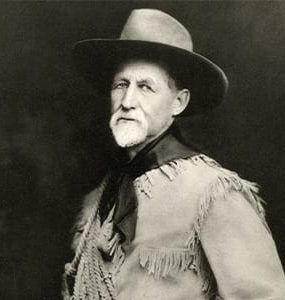
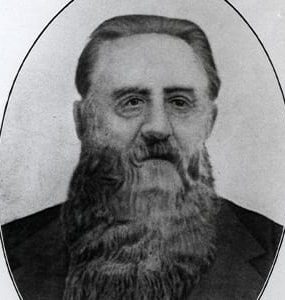
Charles Jesse "Buffalo" Jones

1844-1919

Kansas

Bio

Charles Jesse Jones, known as “Buffalo Jones” (1844–1919), was a notable American frontiersman, rancher, and conservationist who played a key role in preserving the American bison. Born in McLean County, Illinois, Jones had limited formal education but developed a keen interest in wildlife. After moving to Kansas in 1866, he initially worked in agriculture before becoming a buffalo hunter. He earned his nickname by claiming to have killed more buffalo than anyone else, although this assertion is debated.

Recognizing the decline of the buffalo population, Jones shifted his focus from hunting to conservation. He co-founded Garden City, Kansas, where he served as its first mayor and advocated for constructing the Atchison, Topeka, and Santa Fe Railroad. By the mid-1880s, aware of the imminent extinction of the bison, he began collecting and breeding them, partnering with other ranchers to save the species.

In 1900, Jones was appointed the first game warden of Yellowstone National Park, where he successfully worked to replenish the park’s dwindling bison herd. He held the position for five years and continued to breed buffalo afterward. His efforts contributed significantly to the conservation movement and helped establish Yellowstone’s herd, which grew to nearly 4,000 by the 21st century.

Jones’s legacy as a pioneering conservationist endures. He is remembered for his impactful work in wildlife preservation and earned accolades as a significant figure in American environmental history. He died on October 1, 1919, from malaria contracted during an expedition in Africa.
Bio

Charles Jesse Jones, known as “Buffalo Jones” (1844–1919), was a notable American frontiersman, rancher, and conservationist who played a key role in preserving the American bison. Born in McLean County, Illinois, Jones had limited formal education but developed a keen interest in wildlife. After moving to Kansas in 1866, he initially worked in agriculture before becoming a buffalo hunter. He earned his nickname by claiming to have killed more buffalo than anyone else, although this assertion is debated.

Recognizing the decline of the buffalo population, Jones shifted his focus from hunting to conservation. He co-founded Garden City, Kansas, where he served as its first mayor and advocated for constructing the Atchison, Topeka, and Santa Fe Railroad. By the mid-1880s, aware of the imminent extinction of the bison, he began collecting and breeding them, partnering with other ranchers to save the species.

In 1900, Jones was appointed the first game warden of Yellowstone National Park, where he successfully worked to replenish the park’s dwindling bison herd. He held the position for five years and continued to breed buffalo afterward. His efforts contributed significantly to the conservation movement and helped establish Yellowstone’s herd, which grew to nearly 4,000 by the 21st century.

Jones’s legacy as a pioneering conservationist endures. He is remembered for his impactful work in wildlife preservation and earned accolades as a significant figure in American environmental history. He died on October 1, 1919, from malaria contracted during an expedition in Africa.
More to Explore

Stay Connected

Sign up for our e-newsletter