





Bio
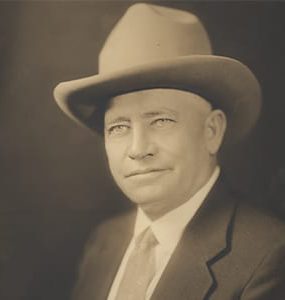
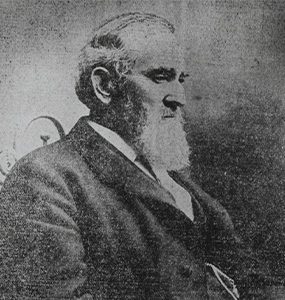
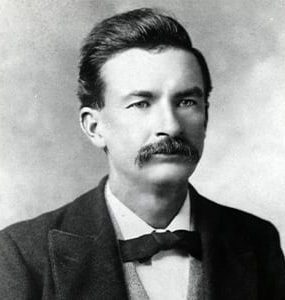
James Kerrick Hitch (1855–1921) was a pioneering cattle rancher who established one of the largest and most influential business operations in the Oklahoma Panhandle. A native of Tennessee, Hitch entered the cattle business in southwestern Kansas in 1876 alongside his father-in-law, Henry Westmoreland. In 1884 or 1885, Hitch moved his cattle to Coldwater Creek in present-day Texas County, Oklahoma, then an unorganized area known as No Man’s Land. When the area opened for settlement in 1890, Hitch and his family claimed land and by 1900 were running 10,000 head of cattle on 40,000 to 50,000 acres.
As open range ranching declined with the advent of homesteaders and fencing laws in 1902, Hitch adapted by purchasing land from failed homesteaders, eventually amassing 12,080 acres near Guymon. His cattle, branded with the OX mark, were seen across Oklahoma, Texas, and Kansas. By the time of his death in 1921, Hitch’s ranch had become a major enterprise, and his son, Henry Hitch, took over, expanding the family’s holdings.
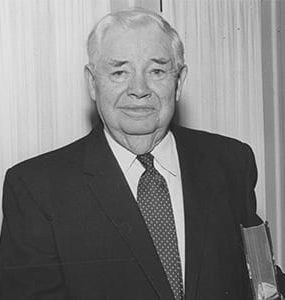
Under Henry’s leadership, the ranch diversified into agribusiness, embracing wheat farming and mechanized operations during the agricultural depression of the 1920s. Despite challenges during the Great Depression and Dust Bowl, the family reduced their cattle herd, practiced conservation, and leased land for oil exploration. In 1953, the Hitch Ranch diversified further by building a feedlot, which became a cornerstone of the region’s economy. Over time, the Hitch empire grew to include farmland, feedlots, and livestock operations, making a lasting impact on the Oklahoma Panhandle’s economy.