


Skip to content

The American Rodeo Gallery is closed for renovation.

The Cowboy: An Immersive Journey

CLOSING SOON!

Back to all

Hall of Great Westerners
Murdo Mackenzie
Inducted in 1981

Murdo Mackenzie

1850-1939

Colorado

Bio

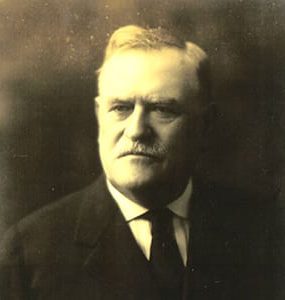
Murdo MacKenzie (1850–1939) was a Scottish-American rancher and influential figure in the American cattle industry. Born near Tain, Scotland, he received his education at the Tain Royal Academy and began his career managing estates in Scotland. In 1885, MacKenzie moved to the United States to manage the Prairie Land and Cattle Company in Trinidad, Colorado. He later became the manager of the Scots-owned Matador Land and Cattle Company, serving two terms (1891–1901 and 1922–1937).

MacKenzie played a significant role in advocating for the cattle industry. As founding president of the American Stock Growers Association, he testified before Congress and the Interstate Commerce Commission, contributing to the passage of the Hepburn Act of 1906, which regulated railroad fares for western shippers, benefiting the cattle trade.

In 1908, President Theodore Roosevelt appointed MacKenzie to the National Conservation Commission, recognizing his expertise in land and resource management. In 1913, Roosevelt visited MacKenzie while he was managing the Brazil Land, Cattle, and Packing Company.

MacKenzie’s leadership and influence extended beyond ranching; he served as the mayor of Trinidad, Colorado, in 1891, and his work left a lasting legacy in the cattle industry. The town of Murdo, South Dakota, was named in his honor. MacKenzie passed away in 1939 in Denver, Colorado, at the age of 89, leaving behind a legacy of pioneering contributions to the American West and the cattle industry.
Bio

Murdo MacKenzie (1850–1939) was a Scottish-American rancher and influential figure in the American cattle industry. Born near Tain, Scotland, he received his education at the Tain Royal Academy and began his career managing estates in Scotland. In 1885, MacKenzie moved to the United States to manage the Prairie Land and Cattle Company in Trinidad, Colorado. He later became the manager of the Scots-owned Matador Land and Cattle Company, serving two terms (1891–1901 and 1922–1937).

MacKenzie played a significant role in advocating for the cattle industry. As founding president of the American Stock Growers Association, he testified before Congress and the Interstate Commerce Commission, contributing to the passage of the Hepburn Act of 1906, which regulated railroad fares for western shippers, benefiting the cattle trade.

In 1908, President Theodore Roosevelt appointed MacKenzie to the National Conservation Commission, recognizing his expertise in land and resource management. In 1913, Roosevelt visited MacKenzie while he was managing the Brazil Land, Cattle, and Packing Company.

MacKenzie’s leadership and influence extended beyond ranching; he served as the mayor of Trinidad, Colorado, in 1891, and his work left a lasting legacy in the cattle industry. The town of Murdo, South Dakota, was named in his honor. MacKenzie passed away in 1939 in Denver, Colorado, at the age of 89, leaving behind a legacy of pioneering contributions to the American West and the cattle industry.
More to Explore

Stay Connected

Sign up for our e-newsletter