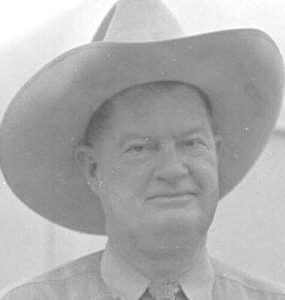
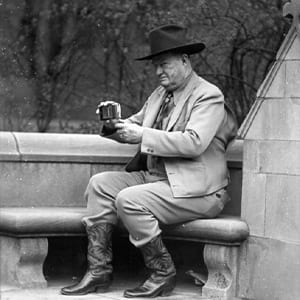
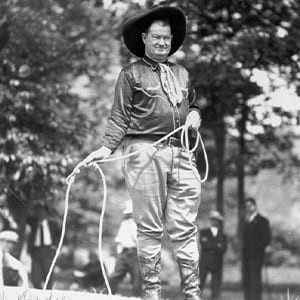
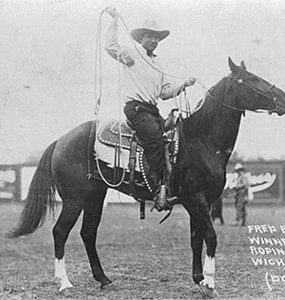
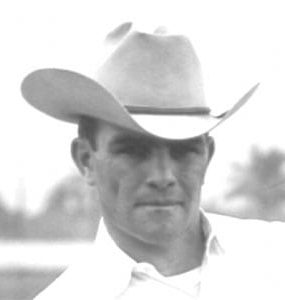
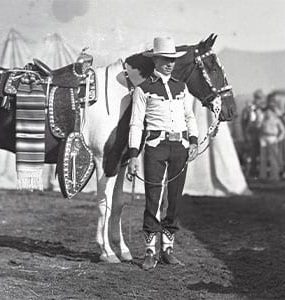
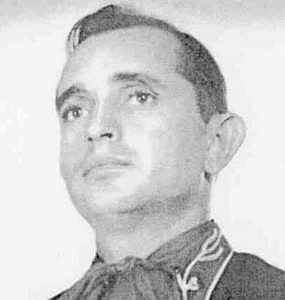
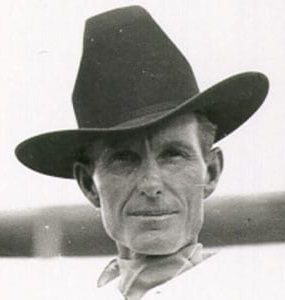
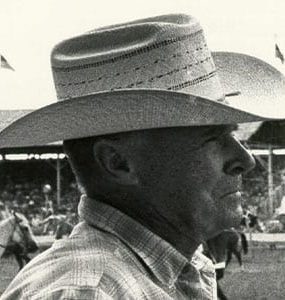
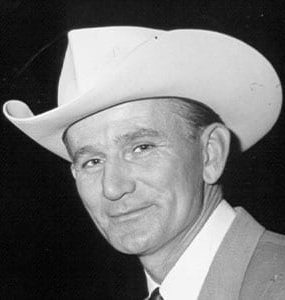
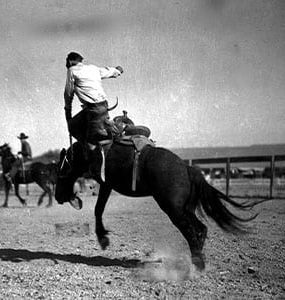
Easily recognized by his deep, booming voice and big, black, ten-gallon hat, Frederick Melton “Foghorn” Clancy was one of the first active rodeo announcers. Born in Alabama, he entered rodeo as a bronc rider around 1900.
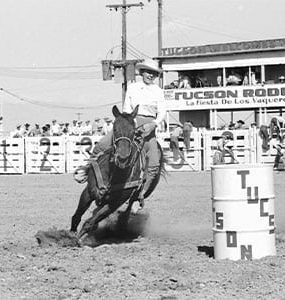
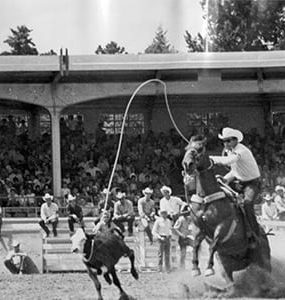
Foghorn Clancy believed that rodeo should receive equal publicity with other sports. A public relations genius, he worked for producers like Jim Eskew of the JE Ranch Rodeo. Clancy set up advanced advertising, called the action, and wrote news features on the results. For six decades, he promoted and announced all the major rodeos–Houston, Cheyenne, Madison Square Garden–and his voice became a rodeo institution.
Clancy was rodeo’s first historian. In 1921, he published “Foghorn Clancy’s Round-Up”, “Stampede”, and “Cowboy Sports Guide”, a book of statistics. He also edited a popular magazine, “Rodeo Romances”, published in the 1930s. His autobiography, “My 50 Years in Rodeo”, appeared in 1952. He died in 1957.
Bio
EVENTS Rodeo Announcer Rodeo Historian
Easily recognized by his deep, booming voice and big, black, ten-gallon hat, Frederick Melton “Foghorn” Clancy was one of the first active rodeo announcers. Born in Alabama, he entered rodeo as a bronc rider around 1900.
Foghorn Clancy believed that rodeo should receive equal publicity with other sports. A public relations genius, he worked for producers like Jim Eskew of the JE Ranch Rodeo. Clancy set up advanced advertising, called the action, and wrote news features on the results. For six decades, he promoted and announced all the major rodeos–Houston, Cheyenne, Madison Square Garden–and his voice became a rodeo institution.
Clancy was rodeo’s first historian. In 1921, he published “Foghorn Clancy’s Round-Up”, “Stampede”, and “Cowboy Sports Guide”, a book of statistics. He also edited a popular magazine, “Rodeo Romances”, published in the 1930s. His autobiography, “My 50 Years in Rodeo”, appeared in 1952. He died in 1957.