






Skip to content

The Cowboy: An Immersive Journey

NOW OPEN!

Back to all

Chester A. Reynolds Award
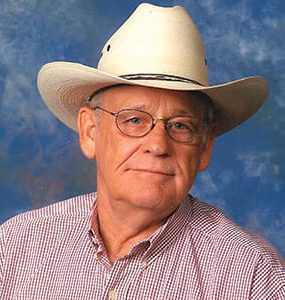
Randy Cate
Awarded in 2018

Randy Cate

1954-

Missouri

Bio

As a young boy, Randy Cate learned early that life with horses would shape his future. At just six years old, he and his brothers had already “ridden the buck off” a string of ponies. Their father packed the family into a truck and hauled them across the country like traveling gypsies, setting up at fairs and carnivals where city kids paid to ride ponies and their mother played guitar for spare change. In those lean years, Randy and his brothers built a reputation as fearless horsemen. Locals would say of a difficult horse, “Take it over to the Cate boys—they’ll straighten him out.”

School never held Randy’s interest. After ninth grade he left the classroom behind and joined his father in the building trade, pounding nails for a living. But his future wasn’t in carpentry. Drawn to the adrenaline of rodeo, he tried his luck as a bronc rider—an experiment that didn’t pay well and didn’t last long. What did stay with him, however, was a growing fascination with farrier work. After helping an old horseshoer pull shoes and trim hooves, Randy discovered a trade that combined physical skill, problem-solving, and his love of horses. Before long, the aging farrier decided he’d had enough and turned his entire book of business over to Randy. Overnight, he became responsible for the hoof care of more than three hundred horses. He buried himself in books, determined to do the job right.

Alongside shoeing, Randy began picking up day work on ranches, and the dream of becoming a real cowboy finally came true. Over the years he rode for some of the biggest outfits in Oklahoma—the JT, the B&L’s Circle Y, the Arrow-Head, the Davison, the Roos, and Thompson Cattle Co. He learned cattle work the traditional way, riding with old hands who passed down the knowledge of generations. He branded, castrated, doctored and drove cattle, and worked more pens than he could count. To this day, Randy keeps a weather-beaten, taped-together binder full of maps, notes, and records of his cowboy years—a testament that could stand in place of any polished résumé.

But Randy also knew that ranching was changing. To go further, he traded his saddle for a school desk and enrolled in a “Cattle Management and Breeding” program at the Graham School in Garnett, Kansas, graduating in 1987. Armed with both book knowledge and hard-earned experience, he was ready for a future in ranch management. Life, however, had different plans. When his father’s health declined, Randy returned to Missouri to help his mother care for him. He left the Oklahoma cattle business without regret.

In Missouri, farrier work found him quickly. What caught his attention was how many horses suffered from laminitis—founder—when turned out too early in spring. Through trial, error, and relentless problem-solving, Randy developed reliable methods to restore crippled horses to soundness. Using handmade corrective shoes, careful trimming, and a deep understanding of hoof anatomy, he has brought hundreds of horses “back from the brink.”

Today, Randy works alongside his wife, Christy, also a farrier, and apprentice Jake Wieberg. At Rita Reason’s Ranch near Sparta, Missouri, or traveling from county to county in a well-equipped truck, they go wherever a horse needs help. “We’ll go anywhere to help a horse in trouble,” Randy says—and the horses he’s saved stand as proof.

Bio

As a young boy, Randy Cate learned early that life with horses would shape his future. At just six years old, he and his brothers had already “ridden the buck off” a string of ponies. Their father packed the family into a truck and hauled them across the country like traveling gypsies, setting up at fairs and carnivals where city kids paid to ride ponies and their mother played guitar for spare change. In those lean years, Randy and his brothers built a reputation as fearless horsemen. Locals would say of a difficult horse, “Take it over to the Cate boys—they’ll straighten him out.”

School never held Randy’s interest. After ninth grade he left the classroom behind and joined his father in the building trade, pounding nails for a living. But his future wasn’t in carpentry. Drawn to the adrenaline of rodeo, he tried his luck as a bronc rider—an experiment that didn’t pay well and didn’t last long. What did stay with him, however, was a growing fascination with farrier work. After helping an old horseshoer pull shoes and trim hooves, Randy discovered a trade that combined physical skill, problem-solving, and his love of horses. Before long, the aging farrier decided he’d had enough and turned his entire book of business over to Randy. Overnight, he became responsible for the hoof care of more than three hundred horses. He buried himself in books, determined to do the job right.

Alongside shoeing, Randy began picking up day work on ranches, and the dream of becoming a real cowboy finally came true. Over the years he rode for some of the biggest outfits in Oklahoma—the JT, the B&L’s Circle Y, the Arrow-Head, the Davison, the Roos, and Thompson Cattle Co. He learned cattle work the traditional way, riding with old hands who passed down the knowledge of generations. He branded, castrated, doctored and drove cattle, and worked more pens than he could count. To this day, Randy keeps a weather-beaten, taped-together binder full of maps, notes, and records of his cowboy years—a testament that could stand in place of any polished résumé.

But Randy also knew that ranching was changing. To go further, he traded his saddle for a school desk and enrolled in a “Cattle Management and Breeding” program at the Graham School in Garnett, Kansas, graduating in 1987. Armed with both book knowledge and hard-earned experience, he was ready for a future in ranch management. Life, however, had different plans. When his father’s health declined, Randy returned to Missouri to help his mother care for him. He left the Oklahoma cattle business without regret.

In Missouri, farrier work found him quickly. What caught his attention was how many horses suffered from laminitis—founder—when turned out too early in spring. Through trial, error, and relentless problem-solving, Randy developed reliable methods to restore crippled horses to soundness. Using handmade corrective shoes, careful trimming, and a deep understanding of hoof anatomy, he has brought hundreds of horses “back from the brink.”

Today, Randy works alongside his wife, Christy, also a farrier, and apprentice Jake Wieberg. At Rita Reason’s Ranch near Sparta, Missouri, or traveling from county to county in a well-equipped truck, they go wherever a horse needs help. “We’ll go anywhere to help a horse in trouble,” Randy says—and the horses he’s saved stand as proof.
More to Explore

Stay Connected

Sign up for our e-newsletter