

Bio
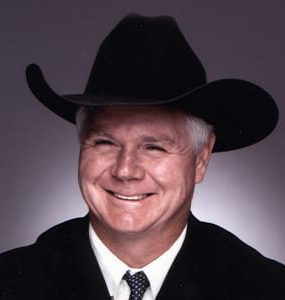
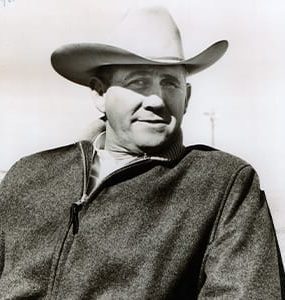
Phil Stadtler spent his life at the intersection of rodeo and cattle, becoming one of the most influential cattle traders in North America and a respected early supporter of team roping. Born July 30, 1920, in California, he was drawn to the arena almost as soon as he could walk. By age six, rodeo legends Jesse Stahl and Clay Carr were putting him on his first calf at Salinas. He was bucked off, tore a brand-new sweater his grandmother had bought him, and cried all the way out of the arena—but the moment marked the beginning of a lifetime in cattle and rodeo.
Stadtler started small. With $280 borrowed from the Bank of America in Hilmar, he bought four Jersey heifers and began trading cattle. During the late 1930s and early 1940s, rodeo cattle were mainly limited to bulldogging steers, and demand for good stock was growing. Stadtler quickly realized that reliable cattle suppliers could shape the sport.
His trading ventures took him into Mexico for the first time in 1939. From there, he began building relationships that would define his career. He supplied bulls and roping steers to cattlemen and rodeo producers across the West. Washington cattleman John Peth—later father to Hall of Fame bullfighter Wick Peth—visited Stadtler’s California operation, rode 80 of Stadtler’s bulls in two days, and left with cattle and horses that helped spur the growth of team roping in the Northwest. While the precise origin of team roping is impossible to pinpoint, Stadtler was at the center of its early momentum.
As the sport grew, so did demand for cattle. Stadtler built an expansive trading network extending throughout Mexico and into Guatemala. He constructed three major stockyards along the southern border: in Eagle Pass, Texas; Douglas, Arizona; and his largest at Union Stockyard in El Paso. At the peak of his operation, he traded as many as 250,000 cattle per year.
Stadtler was known not only for business success, but also for integrity. Mexican ranchers trusted him so deeply that deposit checks with handwritten inventories on the back served as the only contracts. The Cattlemen’s Union in Chihuahua City honored him by hanging his photograph as one of three favorite cattle buyers in Mexico—recognized, he said, “for honesty, or just being fair with them.”
His career was not untouched by hardship. In 1974, after decades of success, an economic downturn and misplaced trust in dishonest partners left him holding 39,000 cattle and facing millions in losses. He refused to declare bankruptcy. “You can go through life doing business and you don’t have to hurt anybody,” he said. “I stayed with it, and I’m proud of that.”
Alongside cattle, Stadtler loved rodeo. He bulldogged, roped, and even competed in wild cow milking. He bought fast horses capable of running the long scores at Tucson and Salinas, and he cherished the decades he roped alongside his father, son, and grandson—four generations in the arena together.
Phil Stadtler passed away March 10, 2011. Since then, the Phil Stadtler Memorial Roping has been held each Labor Day in conjunction with the Oakdale 10-Steer, drawing hundreds of teams. In 2004, he received the Chester A. Reynolds Award from the National Cowboy & Western Heritage Museum. Three years later, he published his autobiography, I Made a Lot of Tracks, chronicling his adventures in cattle trading and rodeo history. His book remains in print, kept alive by his granddaughter Stacy Porteur—evidence that Stadtler’s tracks are still being followed.