



Skip to content

The American Rodeo Gallery is closed for renovation.

"The Cowboy: An Immersive Journey" Returns July 25

Back to all

Hall of Great Westerners
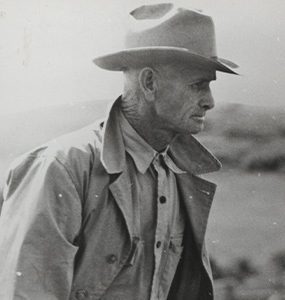
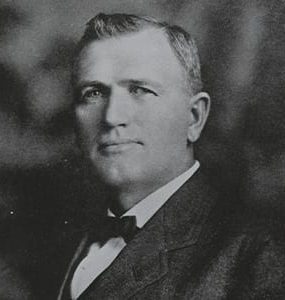
Frank Keogh
Inducted in 1965

Frank Keogh

1877-1955

North Dakota

Bio

Frank P. Keogh was born on July 18, 1877, in Benson, Minnesota, to Patrick and Catherine Keogh. In 1882, his family moved to Hebron, North Dakota, where they started ranching. In 1901, Frank and his brother, Jack, established their own ranch in McKenzie County. By 1905, Frank was hired to manage James Phelan’s large cattle operation on the Fort Berthold Indian Reservation, overseeing up to 10,000 cattle and 1,000 horses.

After the lease ended in 1910, Frank focused on his own ranch, eventually managing around 20,000 acres of reservation land, running about 800 cattle and 100 horses. In 1912, he married Elizabeth Carney, and they had two children, Brooks and Betty.

Frank played a major role in shaping North Dakota’s ranching community. He founded and led both the McKenzie County Grazing Association and the North Dakota Stockmen’s Association, and served on the executive committee of the American National Livestock Association. His commitment to education led him to help establish the first local school, the Keogh School. He also contributed to soil conservation legislation.

Frank Keogh’s influence on ranching in western North Dakota was profound, from the era of open-range ranching to the more modern, managed commercial ranches. He passed away in 1955, leaving a lasting legacy in the region.
Bio

Frank P. Keogh was born on July 18, 1877, in Benson, Minnesota, to Patrick and Catherine Keogh. In 1882, his family moved to Hebron, North Dakota, where they started ranching. In 1901, Frank and his brother, Jack, established their own ranch in McKenzie County. By 1905, Frank was hired to manage James Phelan’s large cattle operation on the Fort Berthold Indian Reservation, overseeing up to 10,000 cattle and 1,000 horses.

After the lease ended in 1910, Frank focused on his own ranch, eventually managing around 20,000 acres of reservation land, running about 800 cattle and 100 horses. In 1912, he married Elizabeth Carney, and they had two children, Brooks and Betty.

Frank played a major role in shaping North Dakota’s ranching community. He founded and led both the McKenzie County Grazing Association and the North Dakota Stockmen’s Association, and served on the executive committee of the American National Livestock Association. His commitment to education led him to help establish the first local school, the Keogh School. He also contributed to soil conservation legislation.

Frank Keogh’s influence on ranching in western North Dakota was profound, from the era of open-range ranching to the more modern, managed commercial ranches. He passed away in 1955, leaving a lasting legacy in the region.
More to Explore

Stay Connected

Sign up for our e-newsletter