





Bio
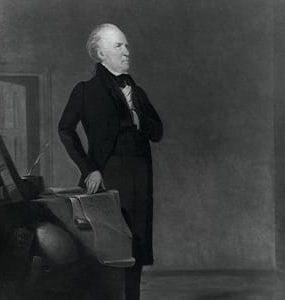
William Clark (1770–1838) was an American explorer, soldier, and territorial governor, best known for his role in the Lewis and Clark Expedition. Born in Virginia, Clark grew up on the Kentucky frontier, fostering his early exploration and leadership interests. In 1795, he joined the U.S. Army, serving under General “Mad” Anthony Wayne in battles against Native American tribes during the Northwest Indian War. Clark’s military experience and knowledge of frontier life caught the attention of Meriwether Lewis, who invited him to co-lead the Corps of Discovery in 1803.
From 1804 to 1806, Clark and Lewis embarked on an expedition commissioned by President Thomas Jefferson to explore the newly acquired Louisiana Territory and find a water route to the Pacific Ocean. Clark mapped the journey and maintained relations with Native American tribes they encountered. His detailed maps and leadership contributed to the mission’s success, significantly expanding U.S. geographical knowledge.
Following the expedition, Clark continued his service to the country as the Superintendent of Indian Affairs, where he played a key role in negotiating treaties with Native American tribes, though his policies were often controversial and led to the displacement of many indigenous peoples. In 1813, he became the governor of the Missouri Territory, a post he held until 1820.
Clark’s legacy as an explorer and mapmaker endures, though his complex interactions with Native American tribes have been the subject of modern reevaluation. He died in St. Louis in 1838.