





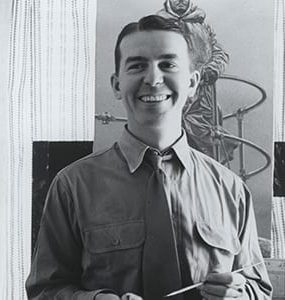
Bio
Tom Lea (1907–2001) was an American muralist, illustrator, war correspondent, novelist, and historian, celebrated for his depictions of Texas, northern Mexico, and his World War II experiences. Born in El Paso, Texas, Lea grew up in a politically active family, with his father serving as mayor during tense times with Pancho Villa. Lea attended the Art Institute of Chicago and apprenticed under muralist John W. Norton before returning to the Southwest to focus on his art.
Lea’s early career included mural commissions for various public buildings, but his life changed when he became a war correspondent during World War II. Working for LIFE magazine, Lea traveled globally with the U.S. military, documenting combat and creating some of his most poignant works, including The Two-Thousand Yard Stare, which captured the psychological toll of war.
Lea’s novels, The Brave Bulls (1949) and The Wonderful Country (1952), are regarded as classics of Southwestern literature, focusing on themes of identity, courage, and the landscape of the American Southwest. After the war, Lea continued to paint, write, and contribute to American culture, notably through collaborations with authors and book designers.
Later in life, he shifted his focus to painting again and received numerous accolades, including an honorary doctorate from Baylor University and recognition by the Texas State Historical Association. Lea passed away in 2001, leaving behind a legacy of art, literature, and historical documentation.