






Bio
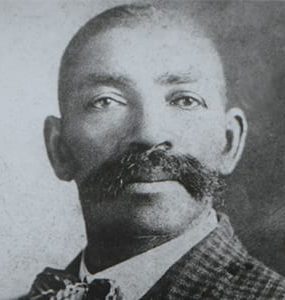
Bass Reeves (1838–1910) was one of the first Black U.S. Deputy Marshals west of the Mississippi River and one of the most prolific lawmen of the American frontier. Born into slavery in Arkansas, Reeves escaped to freedom during the Civil War, possibly after a dispute with his enslaver. He fled to Indian Territory (present-day Oklahoma), where he lived among Native American tribes and learned their languages and customs, skills that later proved invaluable in his law enforcement career.
In 1875, Reeves was recruited by Judge Isaac Parker, known as the “Hanging Judge,” to serve as a Deputy U.S. Marshal in the rough and lawless Indian Territory. Over his 32-year career, Reeves built a legendary reputation for his skill, bravery, and relentless pursuit of justice. He is credited with arresting over 3,000 outlaws, including dangerous fugitives, and was known for outwitting criminals with disguises and cunning tactics. Despite the dangers of his work, Reeves killed only 14 men in self-defense, demonstrating his preference for bringing criminals to justice alive.
Reeves’ impact as a lawman was significant, breaking racial barriers in a time of segregation. His dedication to upholding the law earned him respect across the territory, and his life has since become the subject of books, films, and folklore. Some historians believe Reeves may have been the inspiration for the fictional character of the Lone Ranger. Bass Reeves passed away in 1910, leaving behind a legacy as one of the most accomplished and fearless lawmen in American history.