






Bio
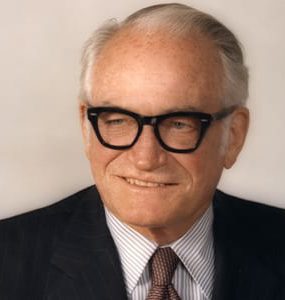
Barry Goldwater (1909–1998) was a five-term U.S. Senator from Arizona and a pivotal figure in the resurgence of American conservatism. Born in Phoenix, Arizona, into a prominent family, Goldwater managed the family department store before turning to politics. He was elected to the U.S. Senate in 1952 and quickly established himself as a staunch advocate of limited government, free markets, and a strong national defense.
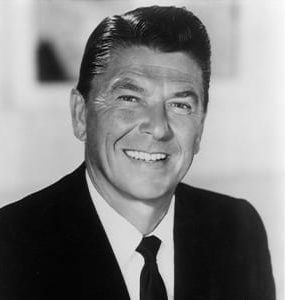
Goldwater gained national prominence in 1964 when he became the Republican Party’s nominee for President. Although he lost the election to Lyndon B. Johnson in a landslide, his campaign laid the foundation for the modern conservative movement. Goldwater’s unapologetic conservatism, captured in his famous line, “Extremism in the defense of liberty is no vice,” appealed to many Americans frustrated with the growing size of government. His candidacy inspired future conservative leaders, including Ronald Reagan, whose rise to national prominence is often attributed to Goldwater’s influence.
Goldwater’s legacy extended beyond electoral politics. He played a key role in shaping the GOP’s platform and policies on limited government, states’ rights, and individual freedoms. Later in his career, Goldwater became known for his principled stances, even when they challenged the Republican Party, such as his defense of personal privacy, his opposition to the religious right’s influence, and his support for LGBTQ rights in his later years.
Though controversial, Barry Goldwater’s unwavering commitment to conservative principles transformed American politics and inspired a generation of conservative leaders, cementing his place as one of the most influential figures of the 20th century.