Skip to content

The American Rodeo Gallery is closed for renovation.

The Cowboy: An Immersive Journey

CLOSING SOON!

Back to all

Hall of Great Westerners
James Charles Dahlman
Inducted in 1964

James Charles Dahlman

1856-1930

Nebraska

Bio

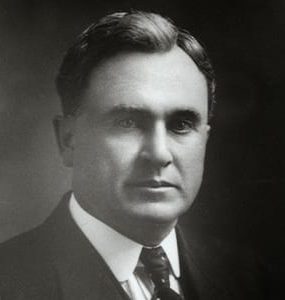
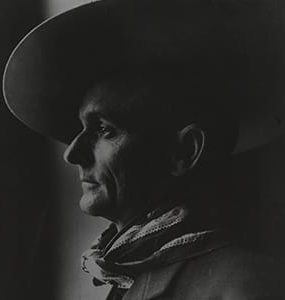
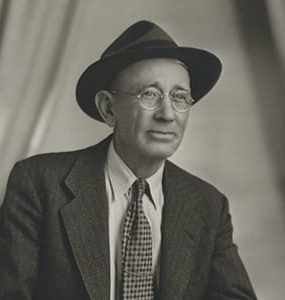
James Charles Dahlman (1856–1930), also known as “Cowboy Jim” and “Mayor Jim,” served as mayor of Omaha, Nebraska for 20 years across eight terms. Born in Texas, Dahlman began his career as a cowboy before entering politics as a sheriff and small-town mayor in Nebraska. Known for his relaxed attitude toward vice and liquor regulation, Dahlman earned the nickname “the wettest mayor in America” and became synonymous with the term “Dahlmanism,” a political style characterized by tolerance of the city’s vice elements.

During his mayoral tenure, Dahlman opposed Prohibition and forged a political alliance with Tom Dennison, a local figure involved in Omaha’s underworld. His policies were controversial, attracting criticism from religious leaders who believed his leadership threatened public morals. Despite his flaws, Dahlman was also known for enhancing Omaha’s civic autonomy and infrastructure, including acquiring the Florence Waterworks and creating the Metropolitan Utilities District.

Dahlman ran unsuccessfully for governor in 1910, losing to progressive reformer Chester H. Aldrich. He also faced backlash for his handling of the 1913 Omaha tornado and for his alleged role in the political atmosphere preceding the Omaha Race Riot of 1919. Despite these controversies, Dahlman remained a dominant figure in Omaha politics until his death in office in 1930.
Bio

James Charles Dahlman (1856–1930), also known as “Cowboy Jim” and “Mayor Jim,” served as mayor of Omaha, Nebraska for 20 years across eight terms. Born in Texas, Dahlman began his career as a cowboy before entering politics as a sheriff and small-town mayor in Nebraska. Known for his relaxed attitude toward vice and liquor regulation, Dahlman earned the nickname “the wettest mayor in America” and became synonymous with the term “Dahlmanism,” a political style characterized by tolerance of the city’s vice elements.

During his mayoral tenure, Dahlman opposed Prohibition and forged a political alliance with Tom Dennison, a local figure involved in Omaha’s underworld. His policies were controversial, attracting criticism from religious leaders who believed his leadership threatened public morals. Despite his flaws, Dahlman was also known for enhancing Omaha’s civic autonomy and infrastructure, including acquiring the Florence Waterworks and creating the Metropolitan Utilities District.

Dahlman ran unsuccessfully for governor in 1910, losing to progressive reformer Chester H. Aldrich. He also faced backlash for his handling of the 1913 Omaha tornado and for his alleged role in the political atmosphere preceding the Omaha Race Riot of 1919. Despite these controversies, Dahlman remained a dominant figure in Omaha politics until his death in office in 1930.
More to Explore

Stay Connected

Sign up for our e-newsletter