






Skip to content

The American Rodeo Gallery is closed for renovation.

The Cowboy: An Immersive Journey

CLOSING SOON!

Back to all

Hall of Great Westerners
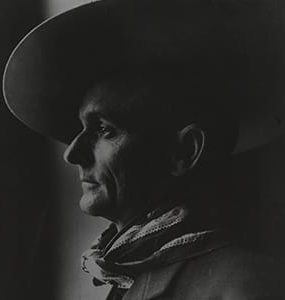
Newton Edmunds
Inducted in 1964

Newton Edmunds

1819-1908

South Dakota

Bio

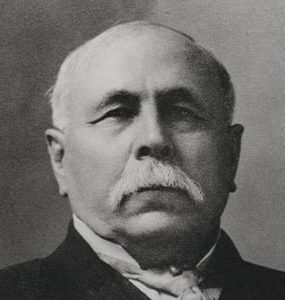
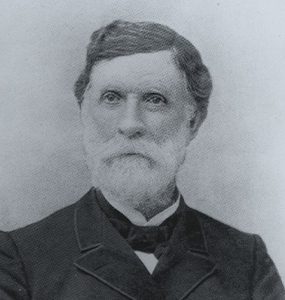
Newton Edmunds (1819–1908) was an American politician who served as the second Governor of Dakota Territory during the Civil War. Born in Hartland, New York, he moved to Michigan in 1832 with his family. His early career involved political roles, including working as chief clerk in the surveyor-general’s office, which brought him to Dakota Territory in 1861. He also served briefly in the Dakota Militia following the Santee uprising.

In 1863, President Abraham Lincoln appointed Edmunds as Governor of Dakota Territory, where he helped establish a public school system, a revenue system, and promoted advanced farming techniques, including the introduction of sheep in 1865. A key issue during his tenure was the conflict with Native American tribes. Edmunds believed peaceful relations were essential for white settlement and, in 1865, led a commission that successfully negotiated treaties with 13 tribes along the Missouri River. His approach faced opposition from Dr. Walter A. Burleigh, who accused him of mismanaging Indian affairs. Edmunds was dismissed from office in 1866 by President Andrew Johnson, replaced by Andrew Jackson Faulk.

Edmunds remained influential in Dakota’s political and business life despite his removal. He continued to work on treaty commissions and helped establish rail service between Yankton and Sioux City. Edmunds also co-founded the Yankton State Bank in 1873 and later the Yankton National Bank with his sons. Active in Dakota’s statehood movement during the 1880s, he remained involved in business until his death in 1908.
Bio

Newton Edmunds (1819–1908) was an American politician who served as the second Governor of Dakota Territory during the Civil War. Born in Hartland, New York, he moved to Michigan in 1832 with his family. His early career involved political roles, including working as chief clerk in the surveyor-general’s office, which brought him to Dakota Territory in 1861. He also served briefly in the Dakota Militia following the Santee uprising.

In 1863, President Abraham Lincoln appointed Edmunds as Governor of Dakota Territory, where he helped establish a public school system, a revenue system, and promoted advanced farming techniques, including the introduction of sheep in 1865. A key issue during his tenure was the conflict with Native American tribes. Edmunds believed peaceful relations were essential for white settlement and, in 1865, led a commission that successfully negotiated treaties with 13 tribes along the Missouri River. His approach faced opposition from Dr. Walter A. Burleigh, who accused him of mismanaging Indian affairs. Edmunds was dismissed from office in 1866 by President Andrew Johnson, replaced by Andrew Jackson Faulk.

Edmunds remained influential in Dakota’s political and business life despite his removal. He continued to work on treaty commissions and helped establish rail service between Yankton and Sioux City. Edmunds also co-founded the Yankton State Bank in 1873 and later the Yankton National Bank with his sons. Active in Dakota’s statehood movement during the 1880s, he remained involved in business until his death in 1908.
More to Explore

Stay Connected

Sign up for our e-newsletter