






Skip to content

The Cowboy: An Immersive Journey

LIMITED TIME!

Back to all

Hall of Great Westerners
John Muir
Inducted in 2006

John Muir

1838-1914

California

Bio

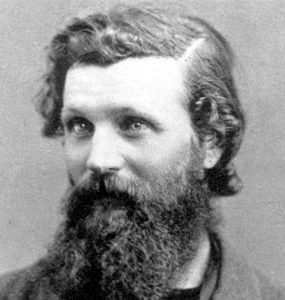
John Muir (1838–1914) was a Scottish-American naturalist, author, and early advocate for preserving wilderness in the United States. Born in Dunbar, Scotland, Muir immigrated to the U.S. with his family in 1849, settling in Wisconsin. As a young man, he studied botany and geology at the University of Wisconsin but left without completing a degree, choosing instead to explore the natural world.

Muir’s passion for nature deepened after a life-changing accident in 1867, which left him temporarily blind. Upon recovering, he embarked on a 1,000-mile walk from Indiana to Florida, meticulously recording his observations of plants and landscapes. This journey marked the beginning of his lifelong dedication to nature.

In the late 1860s, Muir moved to California, where he fell in love with the Sierra Nevada, particularly Yosemite Valley. He spent years exploring and writing about the region, becoming a leading voice for conservation. His writings, filled with poetic descriptions of nature, influenced the establishment of national parks, including Yosemite National Park.

In 1892, Muir co-founded the Sierra Club, which became a powerful force for conservation in the United States. His advocacy for preserving wilderness areas, mainly through his efforts to prevent the damming of Hetch Hetchy Valley, left a lasting impact on the environmental movement. Muir’s work laid the foundation for the National Park Service, and his legacy as the “Father of the National Parks” inspires environmentalists worldwide.
Bio

John Muir (1838–1914) was a Scottish-American naturalist, author, and early advocate for preserving wilderness in the United States. Born in Dunbar, Scotland, Muir immigrated to the U.S. with his family in 1849, settling in Wisconsin. As a young man, he studied botany and geology at the University of Wisconsin but left without completing a degree, choosing instead to explore the natural world.

Muir’s passion for nature deepened after a life-changing accident in 1867, which left him temporarily blind. Upon recovering, he embarked on a 1,000-mile walk from Indiana to Florida, meticulously recording his observations of plants and landscapes. This journey marked the beginning of his lifelong dedication to nature.

In the late 1860s, Muir moved to California, where he fell in love with the Sierra Nevada, particularly Yosemite Valley. He spent years exploring and writing about the region, becoming a leading voice for conservation. His writings, filled with poetic descriptions of nature, influenced the establishment of national parks, including Yosemite National Park.

In 1892, Muir co-founded the Sierra Club, which became a powerful force for conservation in the United States. His advocacy for preserving wilderness areas, mainly through his efforts to prevent the damming of Hetch Hetchy Valley, left a lasting impact on the environmental movement. Muir’s work laid the foundation for the National Park Service, and his legacy as the “Father of the National Parks” inspires environmentalists worldwide.
More to Explore

Stay Connected

Sign up for our e-newsletter